|
|
Stoelting
Pinzas Finas
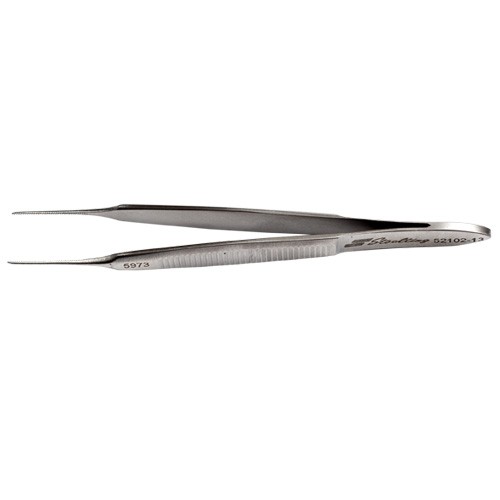
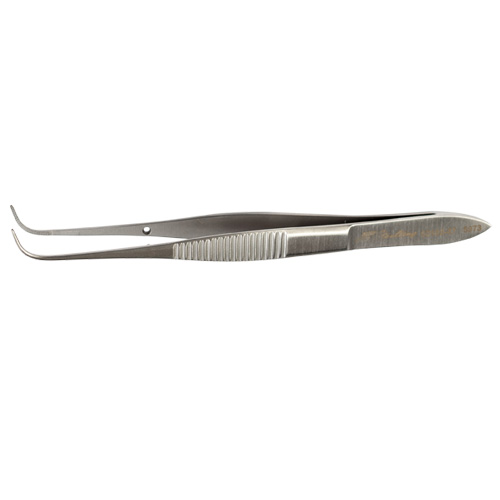
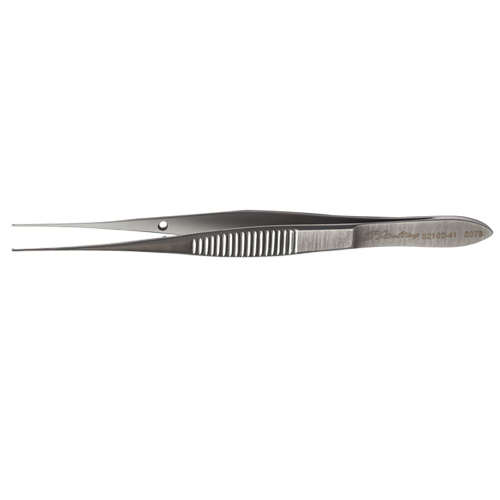
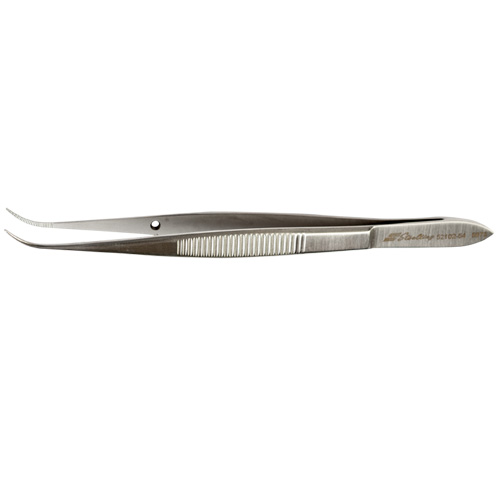
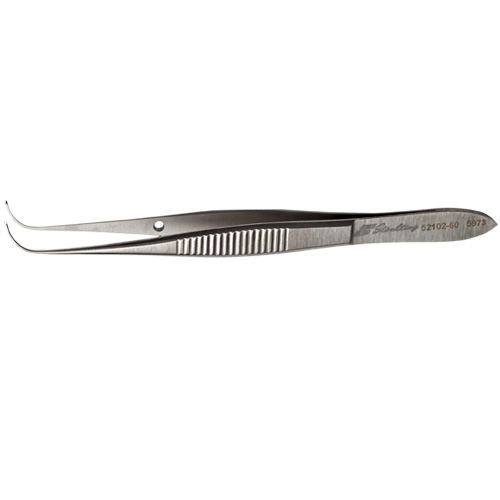
Micro tweezers are useful in a variety of different applications. Common uses include micro dissection of tissue and vessels, and processing tissue in electron microscopy procedures.
Micro tweezers come in a wide variety of tip sizes, shapes, and materials. To choose the best tweezers for your application keep in mind the size of the animal and/or tissue you are working with. The type of cleaning and sterilization you require may affect the material you choose. For example, if you require autoclaving and you are working under a microscope on a mouse the thinnest-tipped forceps made of stainless steel, titanium, Dumostar, INOX, and Dumoxel are good choices.
Carbon steel instruments may not be the best choice for use where there is constant exposure to water. If not handled properly, carbon steel is likely to rust if exposed to water for a length of time. Though not recommended, flash flame decontamination could be used on carbon steel tweezers because this material is less likely to be damaged by high heat. The extreme heat from flash flame decontamination changes the molecular structure of most material adversely. High heat softens metal and shortens the useful life of instruments. Consider another method of decontamination where lower heat levels can be applied to keep your instruments useful for many more years.
You will often see tweezers available in the Biologie pattern. Biologie tips are about twice as fine as standard tips. Some tweezers are available with a mirror finish and some in a matte finish. Make a choice between the two finishes based on personal preferences- there is no quality difference between the two. A mirror finish may look clean and will be more reflective under bright light than a matte finish. A Matte finish will not show smudges easily and the surface provides more of a grip. Both are high quality and protect the instrument equally.
What is a tying platform?
A tying platform is a slightly elevated surface near the tip of the forceps to aid in suturing. The elevated surface catches the suture to help make a knot.
Foerster Forceps
Summary: The unique characteristic of the Foerster forceps is its handle.
The unique characteristic of Foerster Forceps is the octagonal handle. The unique handle is designed to provide more "feel" and control at the tip. This handle also provides a better grip while wearing gloves. The tips are very fine and serrated and provide a sure, steady grip of tissue without trauma. The Foerester forceps are excellent for fine dissection of mice and dissection under a microscope.
Material Reference Guide
The information below is provided to help compare the various alloys and their respective properties. Please note that not all tweezer patterns are available in all alloys.
CARBON STEEL: Carbon steel is one of the hardest tweezer steels. Carbon steel tips are very durable but because of this hardness, carbon steel tips are more brittle than some of the other steels. Carbon steel is also highly magnetic and stains easily.
TITANIUM: While not as hard as some of the other alloys, titanium tips are very flexible. Another unique property of titanium is that it is 33% lighter than other stainless alloys. Titanium is extremely corrosion and stain resistant, making it the preferred choice for salt water uses. Titanium also has a high heat resistance in excess of 400 degree Celcius and is completely non-magnetic.
STAINLESS STEEL: The common name for various alloys composed of carbon steel and chromium. Alloys considered stainless exhibit good stain resistance and have varying degrees magnetism.
INOX: Inox is a specific stainless alloy composed of carbon steel and chromium. Inox tips are more flexible than pure carbon steel but not as hard. Inox has good stain resistance and is magnetic.
DUMOXEL: Dumoxel is even more stain resistant that Inox and is highly corrosion resistant. Tweezers made from this alloy have very soft, felxible tips. Dumoxel is non-magnetic and exhibits high temperature resistance.
DUMOSTAR: This new alloy is a blend of steel, chromium, nickel, cobalt and has many of the best features of other lloys. Dumostar is heat resistant to over 500 degree Celcius and is completely non-magnetic. Dumostar is extremely corrosion resistant and is one of the harder alloys. Because of its unique composition, Dumostar tips are very flexible, are resistant to fatigue, and are capable of flexing far beyond other alloys without permanently deforming.
Especificaciones Tecnicas:
|
ITEM |
DESCRIPTION |
|
52102-01 |
McPherson Forceps 3.5 Straight
Tying |
|
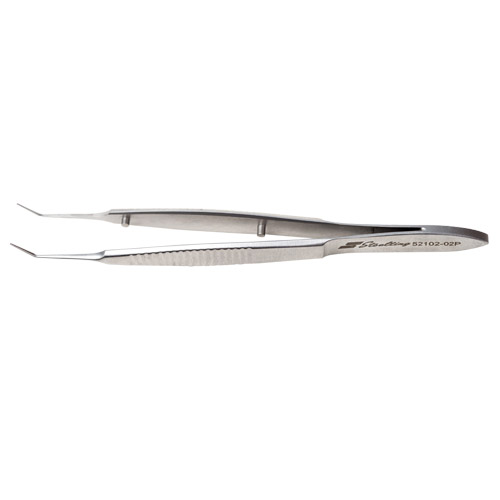
52102-02P |
McPherson Forceps 3.5in, Angled
Tying |
|
52102-02 |
McPherson Forceps 3.5in Angled
Tying |
|
52102-03 |
Micro Dissecting Forceps 3.25 in Straight Fine
Point |
|
52102-04 |
Micro Dissecting Forceps 3.5 in X-Action Fine
Point |
|
52102-06P |
NOT IN USE |
|
52102-06 |
Micro Dissecting Forceps 4 in Straight Fine
Sharp |
|
52102-07 |
Micro Dissecting Forceps 4 in Angle Fine
Sharp |
|
52102-08 |
Harms Forceps 4 in Straight with
Platform |
|
52102-09 |
Harms Forceps 4 in Curved with
Platform |
|
52102-10 |
Foerster Forceps 4 in Serrated Straight
.5mm |
|
52102-12 |
Foerster Forceps 4 in 1x2
Straight.5mm |
|
52102-12C |
Foerster Fcps 4in 1X2 CRV, .5mm
Tip |
|
52102-13P |
Graefe Forceps, 2.85in, Straight, Cross
Serrated |
|
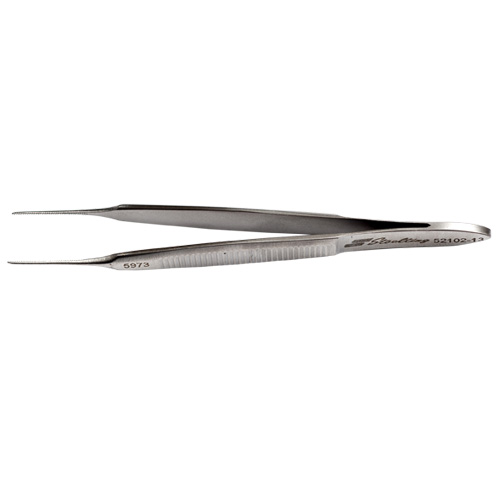
52102-13 |
Graefe Forceps 2.75 in Serrated
Straight |
|
52102-14 |
Graefe Forceps 2.75 in Serrated
Curved |
|
52102-15P |
Graefe Forceps, 2.875in, 1x2 Teeth,
Straight |
|
52102-15 |
Graefe Forceps 2.75 in 1x2
Straight |
|
52102-16 |
Graefe Forceps 2.75 in 1x2
Curved |
|
52102-32P |
Micro Forceps, 4in, Straight, Serrated,
0.5mm |
|
52102-35P |
Micro Forceps, 4in, Curved, Serrated,
0.8mm |
|
52102-36 |
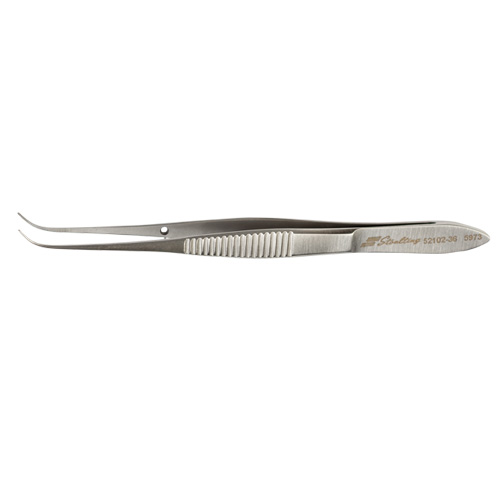
Micro forceps, 4in, curved,
0.5mm |
|
52102-36P |
Micro Forceps, 4in, Slight Curve,
0.5mm |
|
52102-37P |
Micro Forceps, 4in, full curve,
0.8mm |
|
52102-38P |
Micro Dissecting Forceps, 4in, full curve,
0.5mm |
|
52102-38 |
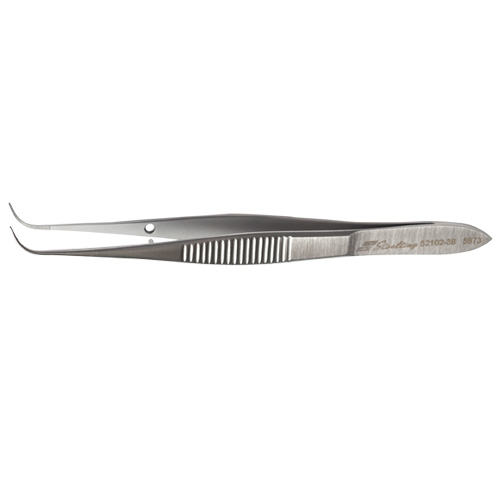
Micro Dissecting forceps, 4in, full curve,
0.5mm |
|
52102-39P |
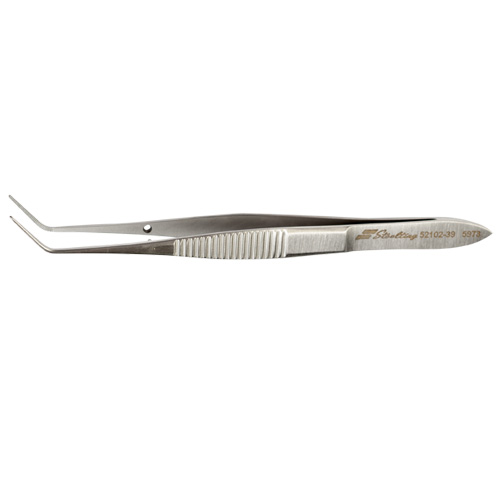
Micro Dissecting Forceps, 4in, Serrated Angle,
0.8mm |
|
52102-41P |
Micro Dissecting Forceps, 4in, 1X2 Teeth,
0.5 |
|
52102-41 |
Micro Forceps, 4 in, 0.5 mm
tip |
|
52102-43 |
Micro Dissecting Forceps, 4 in, 1x2 0.5 mm, Slight
Curve |
|
52102-47 |
Gill Forceps 3in Fine Cross Serrated
.6mm |
|
52102-48 |
Gill Forceps 3in Curved 1x2 .6mm
tip |
|
52102-49 |
Botvin Forceps 3in Cross Serrated Tips
.5 |
|
52102-50 |
Bonn Forceps 3in 1x2 .12mm
Tying |
|
52102-51 |
Bonn Forceps 2.75in Tying
Platform |
|
52102-54P |
Moloney Forceps, 4.6in, Slight Curve,
Serrat |
|
52102-54 |
Moloney forceps, 4.5in, curved,
serrat |
|
52102-60P |
Graefe Forceps, 4in, Full Curve, 1X2 Teeth,
0.5mm |
|
52102-60 |
Graefe Tissue Forceps 4in, F-CRV 1X2 Teeth, .5mm
Tip |
|
52102-72 |
Bonn forceps, 3.75in, 1X2
Teeth |
|
52102-73 |
McPherson Forceps 3.5in 1x2
.2mm |
|
52102-74 |
McPherson Forceps 4in Angled
1x2 |
|
52102-75 |
Bishop-Harmon Forcep 3.25in Cross Serrated
.5mm |
|
52102-76 |
Bishop-Harmon Forcep 3.25in 1x2
.3 |
|
52104-30 |
Micro-Adson forceps, 4.75in,
serrat |
ventas@labequim.com.mxTelefonos: 01 (222) 219 88 15, 274 50 72, 274 50 73
|
|
|